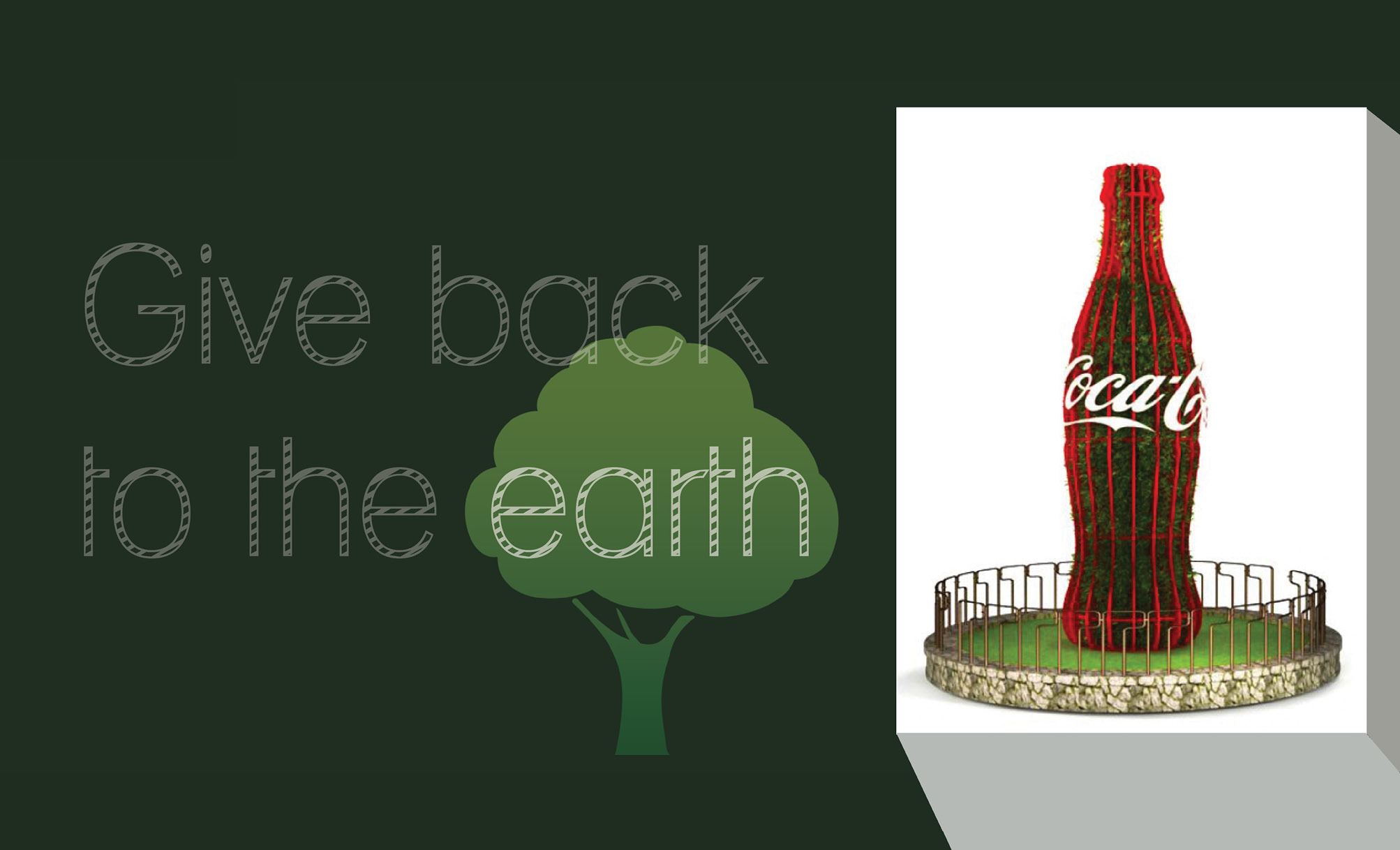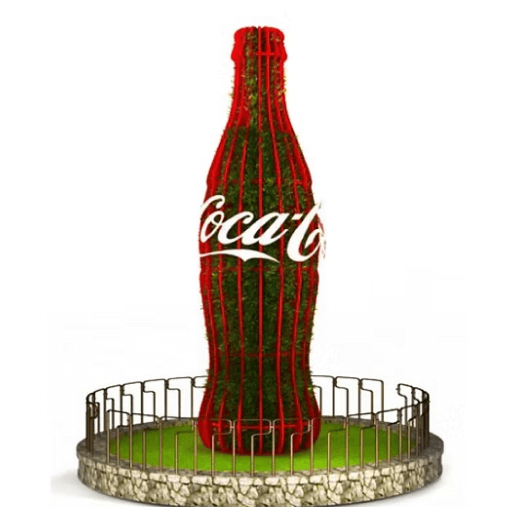

The project explored local identity through a public art installation in Tier-2 and Tier-3 cities. Using the Coca-Cola bottle’s silhouette as a unifying design element, the goal was to embed regional stories, values, and aesthetics into a form that celebrates everyday culture. The installation was envisioned to be placed at a traffic island, making it both a symbol and a conversation piece in the public realm.
Working within the constraints of smaller cities—such as limited infrastructure, maintenance capacity, and rapid urban transformation—posed a significant challenge. The installation had to be visually compelling, durable, cost-effective, and easy to maintain, while also carrying deep symbolic meaning for diverse audiences.
To design a culturally resonant and scalable installation that reflects the spirit of local communities The objective was to uncover how public design could act as a cultural bridge—engaging citizens, enhancing civic pride, and showcasing shared aspirations.

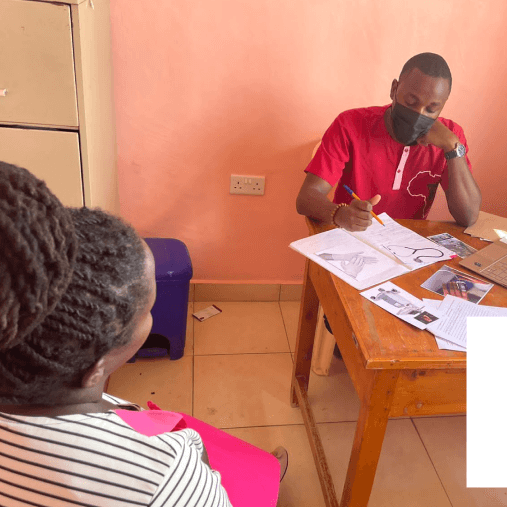
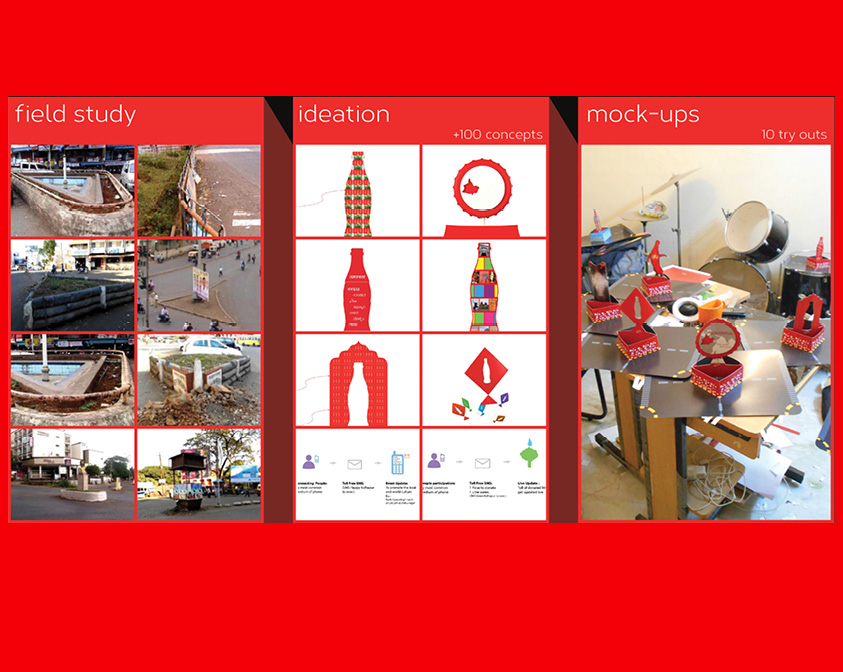
The team undertook an immersive field study across target geographies, engaging with local culture, architecture, social dynamics, and visual language. Through participatory observations and iterative ideation, over 100 concepts were developed and build with quick mock-ups, filtered through cultural relevance, feasibility, and engagement potential. Selected concepts were then further detailed to reflect both aesthetic inspiration and grassroots narratives.
Two concept directions were shortlisted: one celebrated ecological consciousness through vertical gardens, and another emphasized local languages, aspirations, and cultural motifs. Each design served as a modular toolkit adaptable to various small-city contexts, enabling broad replication while retaining localized identity.