

In global health and philanthropy, designing impactful solutions requires more than identifying medical needs, it requires a deep understanding of the people and systems that surround them. Often, user insights are fragmented or overlooked during early investment decisions. This project aimed to shift the focus from product-centered to people-centered approaches by creating an actionable tool that helps Investment Officers assess user-centricity early, navigate jargon, and bring contextual, behavioral, and systemic factors into the heart of decision-making.
Designing this tool presented a unique set of challenges that ultimately shaped key decisions to improve usability, adoption, and impact. Firstly, the tool needed to integrate Human-Centered Design (HCD) principles without undermining the deep expertise of its users (both funding and investment officers, as well as grantee organizations)
The goal was to create a structured, accessible way for decision makers (Program Officers) to evaluate the user-centricity of prospective investments, ultimately helping to de-risk projects and increase the likelihood of successful adoption by target users.
The tool had to strike a balance between two very different user profiles: Those new to HCD, who needed clear guidance and accessible entry points, And those more experienced in HCD, who required enough depth and flexibility to go beyond the basics.
Designing for this spectrum of users—while respecting constraints of time, technology, and attention—was a core challenge that shaped every aspect of the tool’s development.

Phase 1: Need Finding & Discovery Research
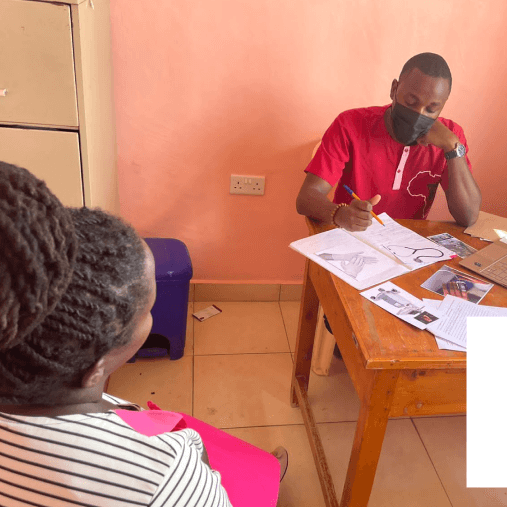
We began with a deep dive into the Foundation’s existing tools, workflows, and organizational dynamics to understand how HCD is (and isn't) embedded in day-to-day decision-making. Through interviews with 12 stakeholders—including program leads, project managers, and strategists—we surfaced nuanced insights about the current barriers, mindsets, and opportunities related to HCD adoption.
Research methods:
Structured long-form interviews
Conversation audits and document analysis
Phase 2: Toolkit Development & Ideation
Using design thinking and structured ideation techniques, we explored multiple directions for how the tool could take shape. These included variations in format, depth, guidance style, and integration into existing workflows. Out of several initial ideas, three distinct toolkit concepts were selected for further development.
These concepts were presented in a co-creation workshop held in-person with key client stakeholders and tool users.
Workshop Goals:
Reflect and validate key research learnings
Build mutual trust and collaboration
Demonstrate responsiveness to user needs
Secure alignment on a final direction
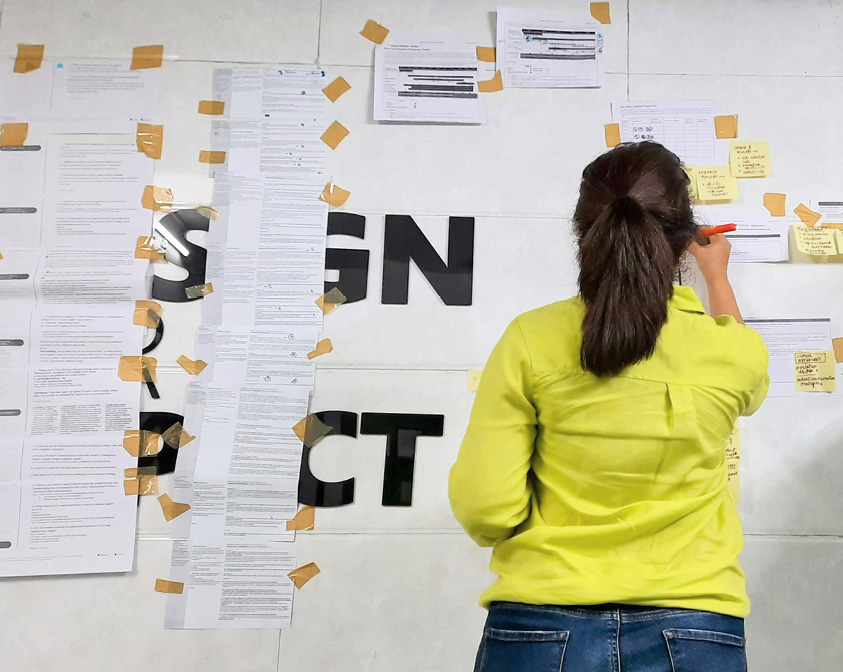
The outcome was a carefully crafted 4-step process anchored by two main tools:
1) A template to capture key information about users and context.
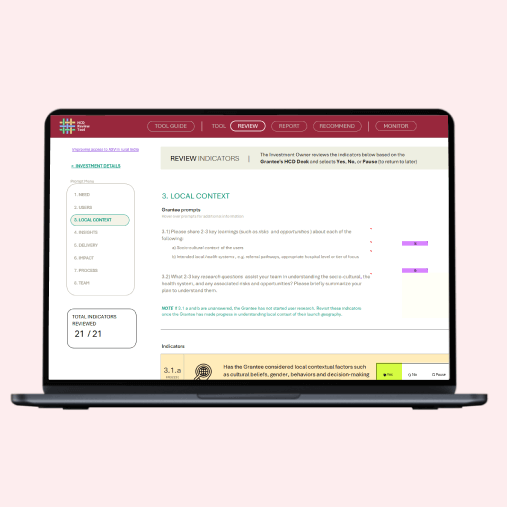
2) An evaluation tool to assess what good user centricity looks like.
Both tools were designed to support investment officers in integrating user-centric thinking into their decision-making process—without requiring them to be design experts.
The evaluation tool facilitates a deeper understanding of Human-Centered Design (HCD) by offering a clear framework to assess and strengthen user centricity, thereby helping to de-risk investments. While user centricity can be interpreted in various ways, this tool is built on three core pillars inspired by the Design for Health framework:
Skillset: The specialized human resources, capabilities, and knowledge required to create and deliver human-centered interventions.
Mindset: A commitment to engaging users early and continuously throughout the solution development process to meet real needs and influence behavior positively.
Process and outputs: The depth and quality of user research and design activities already conducted or planned as part of the intervention.
Each pillar is supported by indicators that describe what “good” looks like. These indicators serve as a guide for investment officers to assess and enhance the level of user centricity in proposals—helping to strengthen both the design and the potential impact of the investment.
Importantly, the tool was scoped to be accessible—cognizant of the user's design expertise and the practical constraints of time and resources. Given the collaborative nature of the investment-making process, the tool also acknowledges the importance of alignment and shared understanding across stakeholders.
.png)