

Ultrasound diagnosis has been instrumental in identifying potential risks early in pregnancy. While the potential of portable and AI-enabled ultrasound technologies in new geographies can help overcome various real-world challenges, including access issues and the need for timely intervention, it is also essential to understand the diverse local context to achieve the intended impact. Designed as a human-centered study, the work evaluated usage contexts, user profiles, and system readiness across India and Kenya. The primary goal was to identify how such technology could enhance maternal care pathways, especially for women in remote or underserved areas.
A central challenge lay in balancing technological potential with ground realities: limited availability of qualified ultrasound professionals, socio-cultural sensitivities such as concerns around sex determination misuse, regulatory constraints, variability in healthcare infrastructure, and community awareness. The project also aims to discover insights to increase diagnostic access.
The objective was to understand where, how, and by whom portable ultrasound devices can be most effectively deployed to support early diagnosis and intervention for pregnancy-related risks. Special emphasis was placed on identifying appropriate user groups, and shaping device/system features to support accessibility, effectiveness, and compliance with local regulations.

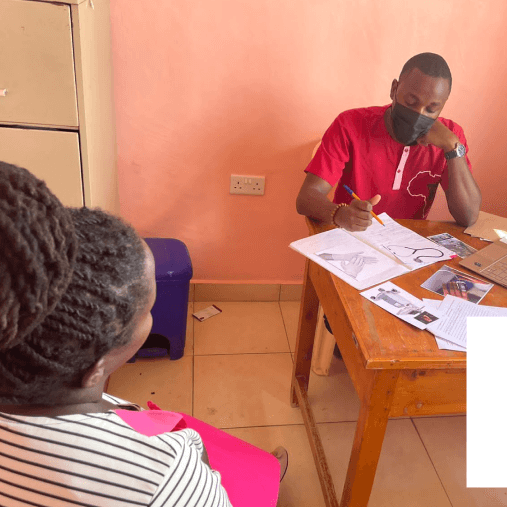
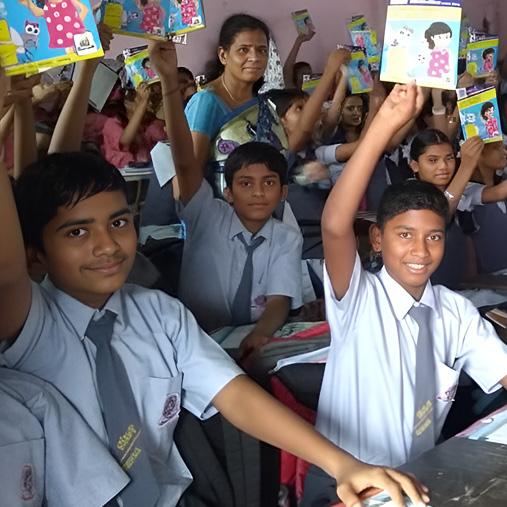
The research amalgamated an ethnographic, participatory approach that included over 140 in-depth interviews, observational studies, group discussions, and hands-on exercises with pregnant women, healthcare providers, and system-level stakeholders. Fieldwork was conducted across diverse healthcare settings, ranging from urban hospitals to rural community centers in Kenya and India, ensuring a rich understanding of real-world conditions.
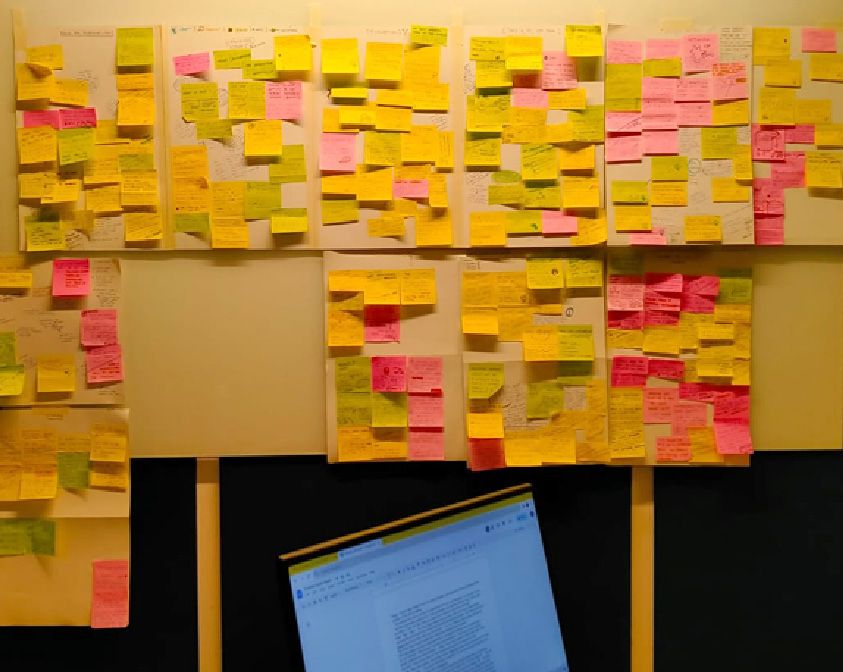
The project mapped user journeys, pain points, and system constraints to co-develop actionable recommendations. The research delivered system-level recommendations across geographies for training new users, deployment models, ergonomic and AI-enabled design improvements, and future-focused policy agendas.